
Mosquito Control Singapore: Dengue Prevention & Expert Treatment
Dengue cases in Singapore don’t drop the way you’d expect from a country with one of the world’s most organised public health systems.
NEA runs awareness campaigns, distributes Mozzie Wipeout kits, issues cluster alerts and dengue still hospitalises thousands every year. The reason is simple: the conditions here are genuinely ideal for Aedes mosquitoes, and they exploit every gap they can find.
Mosquito control in Singapore isn’t a once-a-year thing. It’s ongoing, it needs to be systematic, and the biology of the mosquito is what dictates how often treatment has to happen — not convenience.
The Lifecycle Problem Nobody Talks About Enough
An Aedes mosquito goes from egg to flying adult in five to seven days in Singapore’s climate. That single fact changes everything about how treatment needs to be structured.
Weekly visits don’t work for active infestations. Not because the products are ineffective — because by the time the technician comes back, a new generation has already emerged.
This is why twice-weekly treatment is the standard for any serious infestation, and why monthly-only programmes are maintenance tools, not solutions.
Fogging kills adults. It does nothing to eggs or larvae already in the water. So if your gutter is blocked and has larvae developing, fogging the garden that afternoon is only half the equation. A lot of people don’t hear this clearly enough from whoever is selling them pest control.
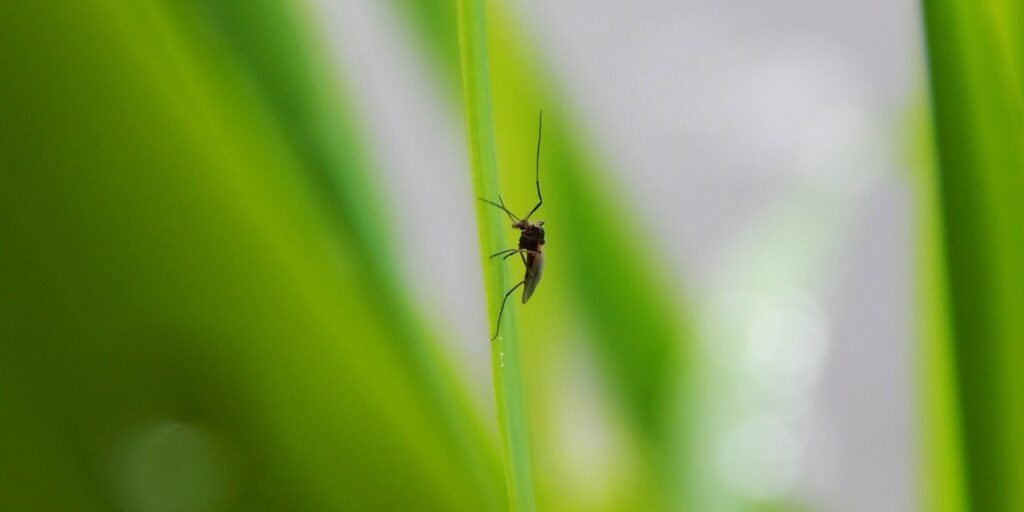
Mosquito Species in Singapore
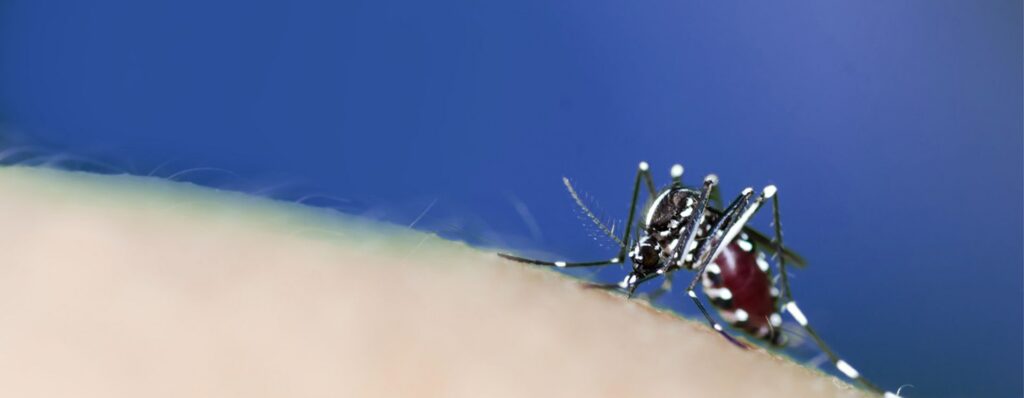
Aedes aegypti and Aedes albopictus are the ones driving dengue, Zika, and chikungunya here. Easily recognised by black and white striped legs. Active during the day — mostly early morning and a few hours before sunset.
Short flight range, typically 50 to 100 metres from the breeding site. Which means if you’re being bitten at home, the source is close.
Culex mosquitoes are nighttime biters. They rest indoors — behind curtains, in dark corners, under furniture. Longer flight range than Aedes. They can carry Japanese Encephalitis in parts of Southeast Asia, though the risk in Singapore specifically is low.
Anopheles are the malaria carriers globally. Present in Singapore but malaria transmission locally is rare.
What Dengue Actually Does
There are four dengue serotypes — DEN-1, DEN-2, DEN-3, DEN-4. Getting infected with one provides immunity to that serotype only. A second infection with a different type is often more severe, sometimes progressing to Dengue Haemorrhagic Fever. DHF involves internal bleeding, platelet count falling dangerously low, and without proper hospital care, can be fatal.
Standard dengue symptoms: sudden high fever, severe headache, pain behind the eyes, joint and muscle pain, skin rash, nausea. Onset two to seven days after the bite.
DHF warning signs are different — and people miss them. The fever often drops, which feels like recovery, but if the patient then develops stomach pain, vomiting, bleeding from gums or nose, skin bruising, or seems to deteriorate despite the fever breaking — that needs urgent medical attention. It’s a known pattern with DHF and it catches families off guard.
No antiviral exists for dengue. Paracetamol for fever — not ibuprofen, not aspirin, both increase bleeding risk. Fluids and rest. Medical monitoring if severe. Which is exactly why prevention through proper mosquito pest control is the only real answer.
Chikungunya, also Aedes-spread, causes joint pain severe enough to make walking difficult for some patients. The name comes from a Makonde word describing the contorted posture of someone in that much pain. Symptoms can persist for months after the initial fever.
Zika is less severe in adults but dangerous for pregnant women — directly linked to microcephaly in newborns and Guillain-Barré syndrome. Sexual transmission has been documented in addition to mosquito bites.
Where Are They Actually Breeding
This is where most people are wrong. They check the obvious spots — drains, ponds, puddles — and miss the actual sources.
Aedes mosquitoes breed in small, clean, standing water. Not dirty water. Not large bodies of water. The classic Aedes breeding site is a plant pot saucer with a few centimetres of water sitting in it after rain. That’s it. That’s all they need.
Common breeding sites found during professional inspections across Singapore properties:
- Plant pot saucers and tray liners (consistently the top finding)
- Roof gutters blocked by leaf litter
- Air-conditioner drip trays with slow or blocked drainage
- Flower vases — water that isn’t changed and scrubbed regularly
- Watering cans left upright after use
- Ground depressions in soil or paving that pool after rain
- Tarpaulins and canvas covers that sag in the middle
- Gully traps and toilet bowls in vacant or seldom-used units
For construction sites and commercial premises: open trenches, rainwater collecting in equipment and materials, improperly covered storage. NEA inspects these regularly. Fines for breeding found on site are substantial, and site operators carry legal responsibility.
The Treatment Methods
Larviciding targets the larvae before they become adults. Applied to water that can’t be removed or fully drained. Several options exist depending on the situation.
BTI (Bacillus thuringiensis israelensis) is worth knowing about specifically. It’s a naturally occurring soil bacteria, toxic to mosquito larvae, completely non-toxic to humans, pets, birds, and fish. For residential properties — especially where there are children, pets, or water features — it’s the most responsible option. Comes in granule form for gutters and containers, liquid for larger applications.
Sand granules, AM-Oil, and liquid pesticides are used in situations where BTI alone isn’t sufficient.
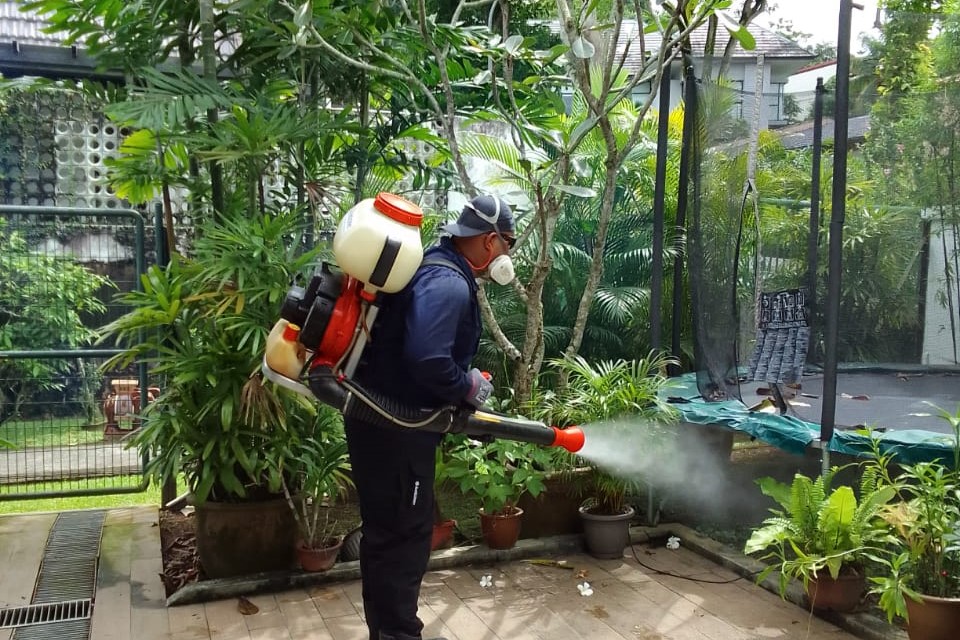
Thermal fogging vaporises insecticide into a dense cloud that covers outdoor areas and kills flying adults on contact. Best for large open spaces — condominium grounds, construction perimeters, school fields. Requires follow-up because it has no residual effect on larvae.
ULV misting (ultra-low volume) produces particles far smaller than fogging, penetrates deeper into vegetation and enclosed spaces, stays suspended in air longer. For residential and semi-indoor environments, this is generally preferred. Less visible than fogging but often more thorough in coverage.
Source reduction is the part that most single-visit treatments skip, but it’s the only part that produces lasting results. Physically eliminating or modifying breeding sites — filling depressions, clearing gutters, removing containers. No water source, no breeding cycle.
A complete programme for mosquito control in Singapore uses all of these in combination. Fogging without larviciding is temporary. Larviciding without source reduction is incomplete. The inspection tells you which mix is needed and where.
- We can help you get rid of mosquitoes fast!
Pestpro — How the Service is Structured
Pestpro operates under the Anticimex Group, one of the largest pest management organisations globally with around 5,000 specialists. The treatment protocols, the products, and the ongoing research are backed by Anticimex’s international R&D — which is a material difference from a smaller local operator working from experience alone.
The SMART pest control platform adds digital monitoring to the service — tracking activity levels over time, identifying recurring problem areas, adjusting treatment frequency and approach based on actual data rather than fixed schedules.
For mosquito pest control, Pestpro runs full programmes covering inspection, larviciding, fogging or misting, and source reduction guidance. Treatment is scheduled around the 5–7 day breeding cycle, not around administrative convenience.
Properties served: HDB flats, condominiums, landed homes, commercial buildings, schools, construction sites, F&B outlets, town council areas. The full mosquito control service page has specifics on treatment options and how to arrange a site assessment.
Outdoor and garden areas with higher mosquito pressure can be addressed through garden pest control as part of the same programme.
As one of the most trusted pest control services in Singapore, Pestpro’s 24-hour service hotline is 6300 8385. WhatsApp is also available, and quotes come back within 24 hours.
What You Can Do Between Treatments
Maintenance habits between professional visits make a real difference to reinfestation rates.
Once a week: tip out, scrub, and dry all containers — pot saucers especially. Change flower vase water. Check the air-con drip tray.
After rain: walk the balcony or garden. Look for anything holding water. Tip over anything that collected rainwater. Check roof gutter drainage if accessible.
Ongoing: cover gully traps in unused bathrooms. Keep drains clear of leaf debris. Use DEET or Picaridin-based repellent outdoors during morning and late afternoon when Aedes activity peaks. Long sleeves and pants if you’re in an area with an active dengue cluster.
None of this replaces professional treatment when there’s an established infestation. It keeps reinfestation slower after the problem is addressed.
- See how Pest-Pro can help you
When to Call Instead of Trying Yourself
Regular biting inside the home, despite spraying. Larvae visible in any water container — they wriggle, just below the surface. A dengue cluster alert on your estate or adjacent block. Family member showing dengue symptoms.
Commercial property needing documentation for NEA compliance. Store-bought treatments with no lasting effect. Mosquitoes resting in cool, dark indoor spots during the day, which typically indicates a heavier-than-normal population.
Final Note
Mosquito control in Singapore comes down to three things working together: eliminate the breeding water, treat the larvae, manage the adults. Any approach that skips one of those three is leaving the problem partly in place.
Pestpro runs the full programme — backed by Anticimex’s global infrastructure, built around the actual biology of the mosquito rather than a fixed spray schedule. The service covers residential and commercial properties across Singapore, with treatment plans tailored to the property type and the severity of what’s found during inspection.
Protect Your Property from Rats Today
For an active infestation, twice a week — the breeding cycle is 5 to 7 days so anything less frequent allows a new generation to emerge between visits. For ongoing prevention after control is achieved, monthly or bi-monthly is usually enough.
Yes, when done by trained professionals using approved formulations. Pestpro uses low-toxicity treatments and BTI-based larviciding where suitable. The technician will advise on any ventilation period needed after fogging.
Fogging kills adults currently present. Eggs and larvae in standing water are unaffected. A week later, those larvae are adults and the population is back. Effective mosquito control in Singapore requires larviciding and source elimination alongside adult treatment.
For most residential properties, ULV misting. It penetrates deeper into resting and vegetation areas, lasts longer, and doesn't produce the heavy visible cloud that fogging does. Fogging has its place for large open outdoor sites.
A plant saucer on a 20th-floor balcony with standing water will attract Aedes and support egg-laying. Floor level is irrelevant to the breeding site.
Usually noticeable within 24 to 48 hours. Full control of an established infestation takes multiple treatments over one to two weeks.
For BTI larviciding and ULV misting, usually no. For indoor thermal fogging, a brief clearance period may be recommended. The technician confirms before starting.
The cluster notification comes after people are already sick. Breeding is already happening in the area before that alert is published. Preventive treatment is specifically designed to stop the cluster from forming in the first place.
Consumer aerosol sprays kill adults on contact but have very short residual effect and don't reach breeding sites. Without larviciding and source reduction, adults from an active breeding site replenish the treated area within days.
Call 6300 8385 — available 24 hours — or WhatsApp the same number. Quote and site assessment can be arranged within 24 hours of contact.
Get a quote for Mosquito control now
We'll be in touch within 24 hours
Pest-Pro is an Anticimex company, one of the largest pest control companies in the world.
We use modern pest control methods using new technologies, non-toxic, and sustainable solutions. We employ around 5,000 trusted experts worldwide.